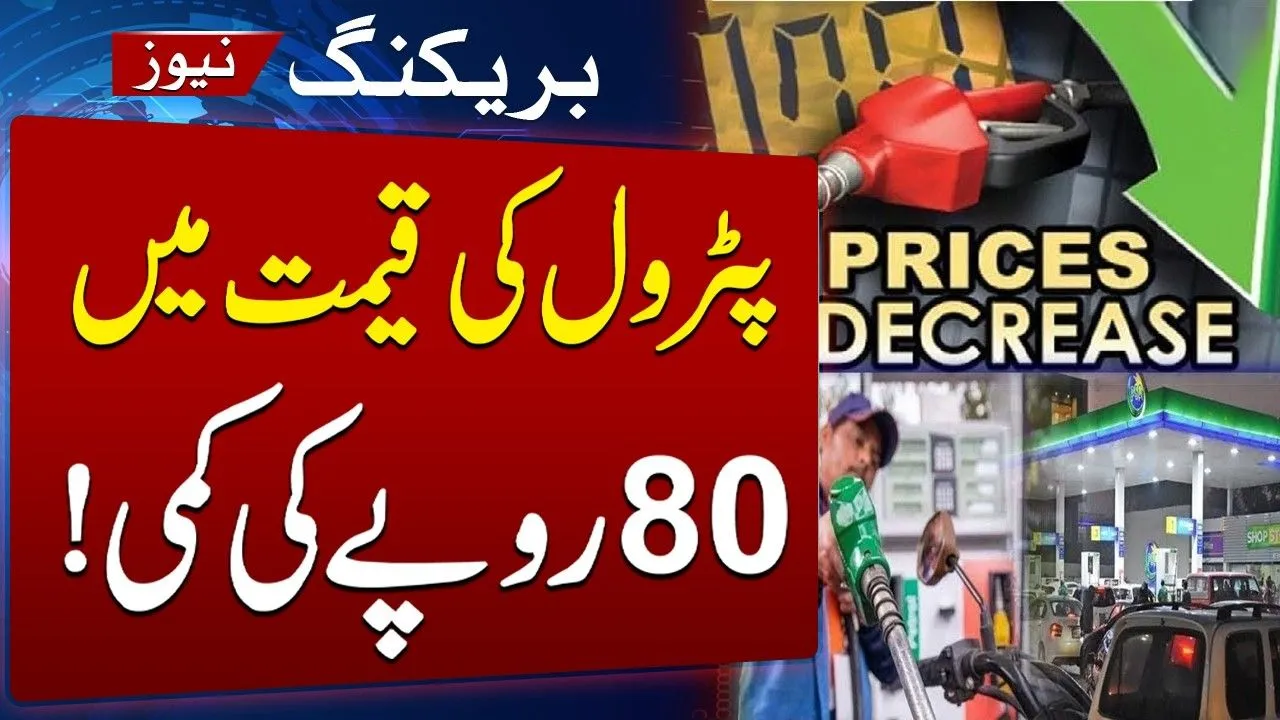
Islamabad: In a stunning policy reversal, Prime Minister Shehbaz Sharif has announced an emergency Rs. 80 per litre reduction in petrol prices, just 24 hours after imposing one of the largest fuel price hikes in Pakistan’s history.
The revised petrol price will drop from Rs. 458.41 to Rs. 378 per litre, effective from midnight Saturday, offering immediate relief to millions of consumers reeling from skyrocketing fuel costs.
Petrol Price Reduced After Record Surge
Earlier this week, the government had increased:
- Petrol: +Rs. 137.24 per litre
- Diesel: +Rs. 184.49 per litre
This pushed petrol prices above Rs. 458 per litre and diesel to Rs. 520.35 per litre, triggering widespread concern among citizens, businesses, and transport sectors.
The sudden rollback of Rs. 80 per litre now marks one of the largest single-day petrol price reductions in Pakistan’s history, signaling a shift in the government’s strategy under public and economic pressure.
Why Did Petrol Prices Increase?
According to officials, the initial price hike was driven by global oil market instability caused by rising geopolitical tensions involving the United States, Israel, and Iran.
These tensions disrupted oil supply routes, especially through the Strait of Hormuz, a key global oil transit corridor. As Pakistan relies heavily on imported fuel, any disruption in global supply chains directly impacts local prices.
Govt Responds to Public Pressure
In a late-night address, Prime Minister Shehbaz Sharif acknowledged the financial burden on citizens and confirmed that the government had taken the decision after consultations with federal and provincial leadership.
The Rs. 80 petrol price cut will be financed through a temporary reduction in the petroleum levy and will remain effective for at least one month across the country.
Subsidy Package Still in Effect
Alongside the petrol price reduction, the government will continue its previously announced targeted relief package to support vulnerable groups:
Key Subsidies Include:
- Motorbike Owners:
Rs. 100 per litre subsidy (up to 20 litres/month for 3 months) - Small Farmers:
Rs. 1,500 per acre (one-time support during harvesting season) - Freight Transporters:
Rs. 70,000 monthly assistance - Large Transport Vehicles:
Rs. 80,000 monthly support - Public Buses:
Rs. 100,000 monthly subsidy - Pakistan Railways:
Financial support to prevent fare increases for low-income passengers
Govt Cuts Spending to Fund Relief
To manage fiscal pressure, the prime minister also announced an extension of cabinet salary cuts from two months to six months, aiming to redirect government spending toward public relief measures.
Economic Impact and Outlook
While the emergency petrol price cut provides short-term relief, economists warn that Pakistan remains highly vulnerable to global oil price fluctuations due to its import-dependent economy.
The situation remains uncertain, as continued geopolitical tensions could again push international oil prices higher, forcing difficult policy decisions in the coming weeks.
Conclusion
The government’s historic petrol price reversal reflects the urgency to balance economic realities with public relief. While the move has eased immediate pressure, long-term stability will depend on global oil trends and Pakistan’s ability to manage external shocks effectively.